A 401(k) loan is a tool you can utilize to secure money and then repay it in routine installations. These loans are usually interest-free. When you pay interest on them, it goes right back into your cost savings account, all set for you to gain access to in the future. The drawback is that you will lose out on the return that your borrowed funds might have generated, had you left them in your account. If you default on any exceptional loans, the IRS might choose that they are not tax-deductible, increasing your income tax bill. Finding a 2nd house is an obstacle, particularly if you intend on buying in a location you don't know much about.
They will be able to provide you all the details you require to make a sound decision. Inevitably, you will face unexpected additional costs when purchasing a 2nd house or vacation residential or commercial property. Things like needing to renovate the home or paying a business to handle it when you're not there all eat into your returns. You may also have to pay extra insurance coverage costs if you lease it out. Regrettably, not everyone can pay for to buy a second home upfront. The quantity that you can borrow will depend upon how much of your after-tax income currently goes towards paying the home loan on your existing home.
Taxes on second houses vary from those on main houses. Once again, this can eat into your returns and trigger you financial headaches if you do not completely understand it. You can't, for instance, deduce second-mortgage interest from your gross income. When it pertains to financing your 2nd home, therefore, you have a lot of choices. So long as you have adequate wealth currently, you can generally produce significant extra earnings from a 2nd property and enjoy it whenever you like. Related:.
If you decide to secure another mortgage to spend for a 2nd house, loan providers will look thoroughly at your debt-to-income (DTI) ratio to figure out whether you can manage two home loan payments. A low DTI likewise works to your benefit since it assists you get approved for a lower rate of interest on the loan. For 2nd houses, loan providers prefer a DTI listed below 36%. If your DTI is high, you have several choices. You can settle more financial obligation before buying another house, buy a cheaper house or increase the amount of your down payment. Some lending institutions want a down payment of 10-20% on 2nd houses, potentially more if it's simply an financial investment home. Initially, build up all the costs. Not just the costs that go into the purchase, but the expenses that may not be instantly obvious. These include your deposit and monthly home mortgage payments, along with closing expenses, energies, real estate tax, insurance coverage, landscaping, travel costs and other maintenance. On your primary home mortgage, you may be able to put as little as 5% down, depending on your credit report and other factors. On a 2nd home, however, you will likely require to put down a minimum of 10%. Due to the fact that a 2nd home mortgage normally adds more monetary pressure for a property buyer, lending institutions normally try to find a slightly higher credit history on a second home mortgage.
Otherwise, the procedure of looking for a 2nd home mortgage resembles that of a main residence home mortgage. Similar to any loan, you must do your research study, talk with several lending institutions and choose the loan that works best for you. Before you look for a 2nd home https://daylingiwe.doodlekit.com/blog/entry/19555862/getting-the-how-did-the-us-finance-ww1-to-work mortgage, evaluate your credit history, properties and earnings, just like a lending institution will. To buy a 2nd house, you'll likely require additional money in reserve that could cover your home mortgage payments in case you have a short-term loss of income. Well-qualified people likely need a minimum of two months of reserves, while less-qualified applicants may require at least 6 months of reserves.
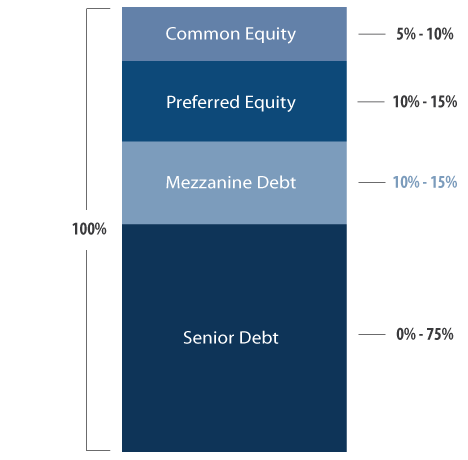
Debt-to-income (DTI) requirements for a second house mortgage may depend upon your credit rating and the size of your deposit. Usually speaking, the more you put down and the higher your credit history, the more most likely your loan provider will allow a greater DTI. Some homeowners may select to offset their expenditures by renting out their villa when they're not utilizing them. Doing this could break your home loan terms since you are using the property as an investment instead of a true second home, leading to higher danger to the lending institution. To qualify as a holiday or 2nd home, the property needs to: Be resided in by the owner for some part of the year Be a one-unit home that can be used year-round Belong only to the buyer Not be rented, or run by a management firm You have a few alternatives to think about when making a deposit on your second house.
If you have actually developed enough equity in your main house, a cash-out refinance enables you to use that equity, especially if your home has actually increased in worth considering that you purchased it. Debtors with good credit can usually obtain up to 80% of their house's existing value (What happened to household finance corporation). Before you go this direction, make certain you can manage the bigger monthly payment you'll now owe on your primary home. A HELOC, or house equity line of credit, on your primary home is another popular alternative. If you have enough equity in your main home, you can take out a line of credit and utilize those funds to make a down payment on your 2nd property.
The Best Strategy To Use For What Can You Do With A Masters In Finance
Purchasing a 2nd home may appear hard, however if you know what to expect and evaluate your financial resources, it could be much easier than you think (Which of the following was eliminated as a result of 2002 campaign finance reforms?). Keep these consider mind as you think of whether you can manage a second house, and how to get a home mortgage for it.